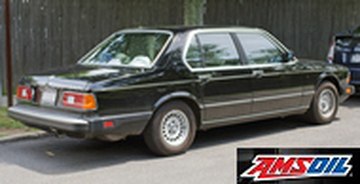


Maintaining Lubrication Integrity for the 1982 BMW 733i 3.2L
Proper engine care for a vehicle like the 1982 BMW 733i involves a disciplined approach to fluid management and mechanical inspection. With the M30 B32 engine, maintaining the correct lubrication standards is a primary factor in long-term engine health. Because this vehicle represents a specific era of automotive engineering, maintenance routines should focus on monitoring current component conditions rather than relying on generalized assumptions about age.
Monitoring Fluid Condition and Potential Seepage
A fundamental part of routine service for the 1982 BMW 733i is the regular observation of the engine bay for any signs of fluid movement. Over time, various seals and gaskets may undergo changes in their ability to maintain a perfect seal. Rather than assuming specific components will fail, owners should perform periodic visual inspections to identify any evidence of seepage or active leaks.
When conducting these inspections, look for the following:
- Surface Seepage: Check around various engine junctions and sealing surfaces for dampness or residue that may indicate a slow leak.
- Fluid Appearance: If oil is being checked via a dipstick, observe its color and consistency. Significant darkening or a gritty texture can be an indicator of the lubricant's condition.
- Accumulation Areas: Inspect lower areas of the engine block and surrounding components where leaked fluid might collect and become visible.
If any unusual wetness or residue is discovered, it warrants further investigation to determine if a seal requires attention or if the lubrication levels are being affected.
Observing Potential Engine Lubrication Warning Signs
While many maintenance needs are identified through scheduled service, some issues may present themselves through observable symptoms. It is important to recognize that various symptoms can have multiple underlying causes, and no single sign provides a definitive diagnosis without professional inspection.
Owners of the 1982 BMW 733i should remain attentive to several key indicators:
- Changes in Lubricant Consumption: If you notice that you are needing to add oil more frequently than in previous months, this change in consumption patterns should be investigated.
- Unusual Odors: The presence of a burning scent during or after engine operation may indicate that lubricant is contacting a hot surface.
- Visual Indicators: Any unexpected smoke from the exhaust or visible puddles beneath the vehicle are signs that require immediate attention to prevent potential damage.
- Mechanical Changes: Any new or unusual noises coming from the engine area during startup or operation should be evaluated by a technician.
Addressing these signs early can assist in managing the overall health of the M30 B32 engine and preventing more significant mechanical complications.
Prioritizing Maintenance Through Condition-Based Assessment
As vehicles age, owners often struggle with whether to replace parts based on their age or their actual physical condition. For the 1982 BMW 733i, a highly effective strategy is to prioritize maintenance based on the current state of the vehicle rather than strictly following chronological milestones.
Establishing a maintenance baseline is particularly useful if the previous service history of the vehicle is incomplete. By performing a thorough inspection of all fluids, belts (if equipped), and hoses (if present), an owner can create a clear picture of what has been addressed and what requires attention. This approach allows for distinguishing between necessary preventive maintenance and the unnecessary replacement of components that are still in excellent functional condition.
When managing long-term ownership, focus on these priorities:
- Reviewing Records: Consistently documenting every oil change, filter replacement, and repair helps identify patterns in how the vehicle is performing.
- Addressing Active Issues: If a leak or an unusual noise is identified, this should take precedence over general cosmetic or non-essential maintenance.
- Monitoring Fluid Integrity: Regularly checking that lubricants remain clean and free of heavy contamination is one of the most effective ways to support engine longevity.
The Role of High-Mileage Formulations
For engines that have seen significant use, certain lubricant technologies may be considered. Some high-mileage oil formulations contain additives intended for use in aging engines. These specialized products often include seal-conditioning additives designed to help maintain the flexibility of various gaskets and seals throughout the engine. While these formulations can be a helpful tool in managing an older engine's lubrication environment, they should be selected based on the specific needs and current condition of the 1982 BMW 733i.
Practical Steps for Engine Bay Inspections
A thorough inspection does not always require specialized tools. When performing routine checks on the 3.2L engine, a few practical steps can provide significant insight into the vehicle's status. Beyond checking the oil level, owners should inspect other age-sensitive areas that are easily accessible.
If equipped, inspecting accessible drive belts for signs of cracking, glazing, or fraying is a prudent preventive measure. Similarly, if present, checking the condition of various hoses for brittleness or swelling can help prevent unexpected cooling or vacuum system issues. Additionally, ensuring that electrical connections and wiring harnesses appear secure and free from significant corrosion helps maintain the reliability of the engine's management systems.
Buying Engine Oil for your 1982 BMW 733i 3.2L
Selecting the correct lubricant is a critical decision for the continued operation of the M30 B32 engine. To ensure the best results, you must match the engine oil to the application-specific viscosity information shown on this page. Do not rely on general automotive knowledge or assumptions based on the vehicle's age to select an oil grade.
When you are ready to purchase new lubricant, follow these practical guidelines:
- Verify Application Data: Always use the specific viscosity and requirements listed in the technical data section of this webpage for your exact engine.
- Check Product Labeling: Before completing a purchase, confirm that the oil bottle clearly displays the correct specifications and meets the necessary quality standards.
- Consider Formulation Types: Depending on your inspection results, you may choose between conventional, synthetic blend, or full synthetic oils, as well as high-mileage formulations if they align with the vehicle's current condition.
- Avoid Assumptions: Do not assume that a modern oil standard is identical to what was originally used when the vehicle was manufactured; always prioritize the specific application information provided here.